
Art and the New Machine: looking back on twenty years
On 9 October, after a ten-year pause, Digital Storytelling came back to Cinemateket. We want to begin simply, by thanking everyone who came, who spoke, and who travelled to be there.
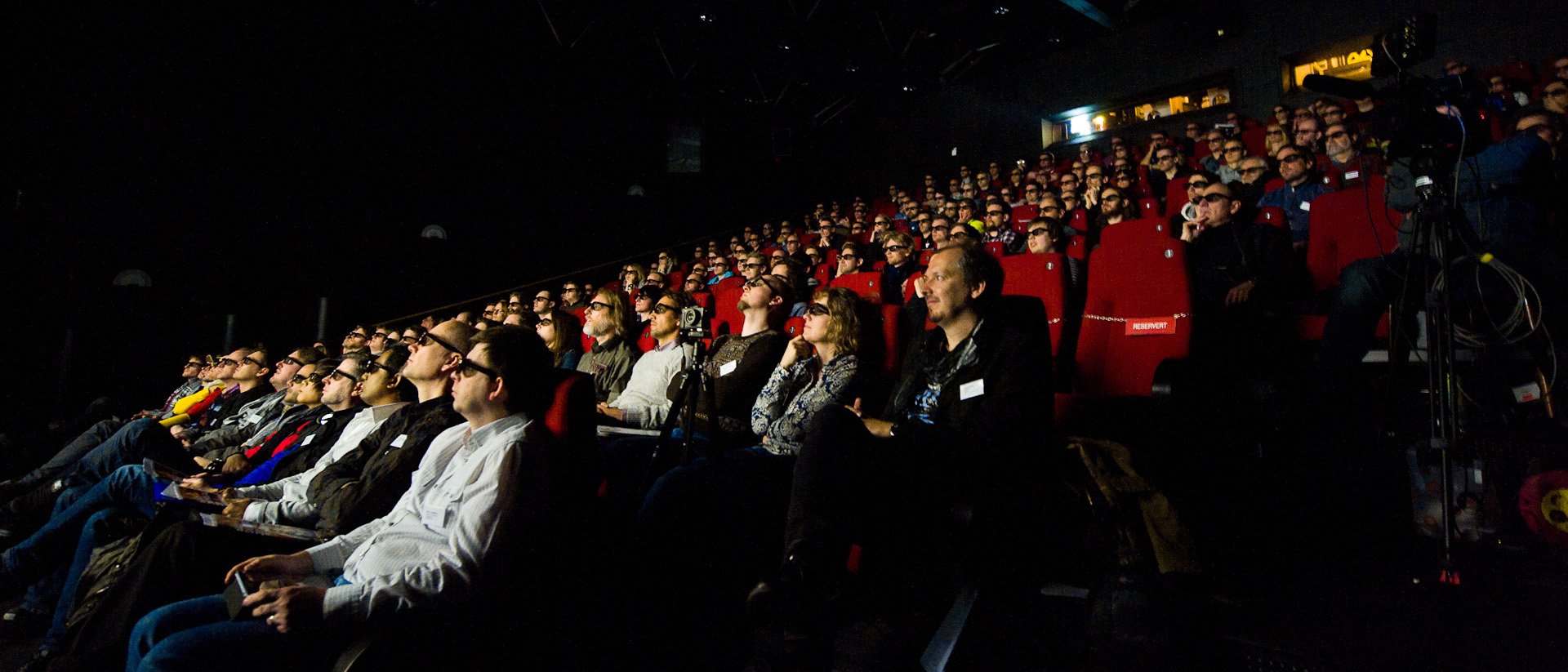
Digital Storytelling 2010
The anniversary was the occasion, but the real reason was timing. A great deal has changed in ten years: real-time production, reality capture as the foundation for almost all VFX, and above all generative AI, which no one in the industry can avoid talking about. It felt like the right moment to bring the community back together and let working practitioners talk to each other, and to the public, rather than add to the speculation.
We also wanted to celebrate more than our own twenty years. We wanted to mark the history of Norwegian visual effects itself: the films, and the people, going back to the early years of digital effects here that too few newer artists know about.
When we built the programme, we started from something we had been noticing across the field: a renewed interest in building from the real rather than fabricating everything, whether the result is a film, a series, or a game. You could see it in the most talked-about work of the past year. Sinners, shot on large-format film, worked to a rule that every effect begin with something real. Project Hail Mary was built around practical sets and a physical puppet, with thousands of digital shots layered on top rather than in place of it. Neither is a retreat from visual effects. The digital work is grounded in something real, and stronger for it.
What we wanted to avoid was a programme that either celebrated AI or lined up against it. So we built it to hold two ideas at once: craft from the real, and the machine as a collaborator rather than a replacement. Paul Debevec gave the long historical view, placing AI in a line of invention going back decades. Stuart Penn and Espen Nordahl spoke from inside the films themselves. And the closing panel put AI to the people who actually use it.
The moment that stayed with us came after the seminar had ended. Hans Gunnar Brekke, who teaches the CG and VFX students at Kristiania, came to ask for a recording of the panel. His students are fearful about AI and their futures, and here was a panel of working supervisors saying they do not see a future without VFX artists in control of the effects. Reading a director’s intent, and holding continuity across a whole film, are human judgements the craft is built on, and the things today’s tools cannot do well. That role, between the director and the final image, is where the artist stays essential.
If you are just starting out, that is worth holding onto. You are joining a profession with a real history, and a community of people who laid the groundwork, many of them still going strong. Morten Moen made that tangible in his talk, From Rookies to Oscar Nomination. Get to know the people who came before you, and where this craft comes from. It is part of finding your place in it, and the one thing no new tool can hand you.
For us, this felt like a natural point to round things off, at least in this form. We started Digital Storytelling to give this work recognition it was not getting at the time, and much of that has happened; the field has grown up. If someone wants to carry the idea forward in their own way, we would be glad to see it.
Thank you, from all of us.
Kim Baumann Larsen, Angela Amoroso and Eric Hanson, co-founders, Digital Storytelling
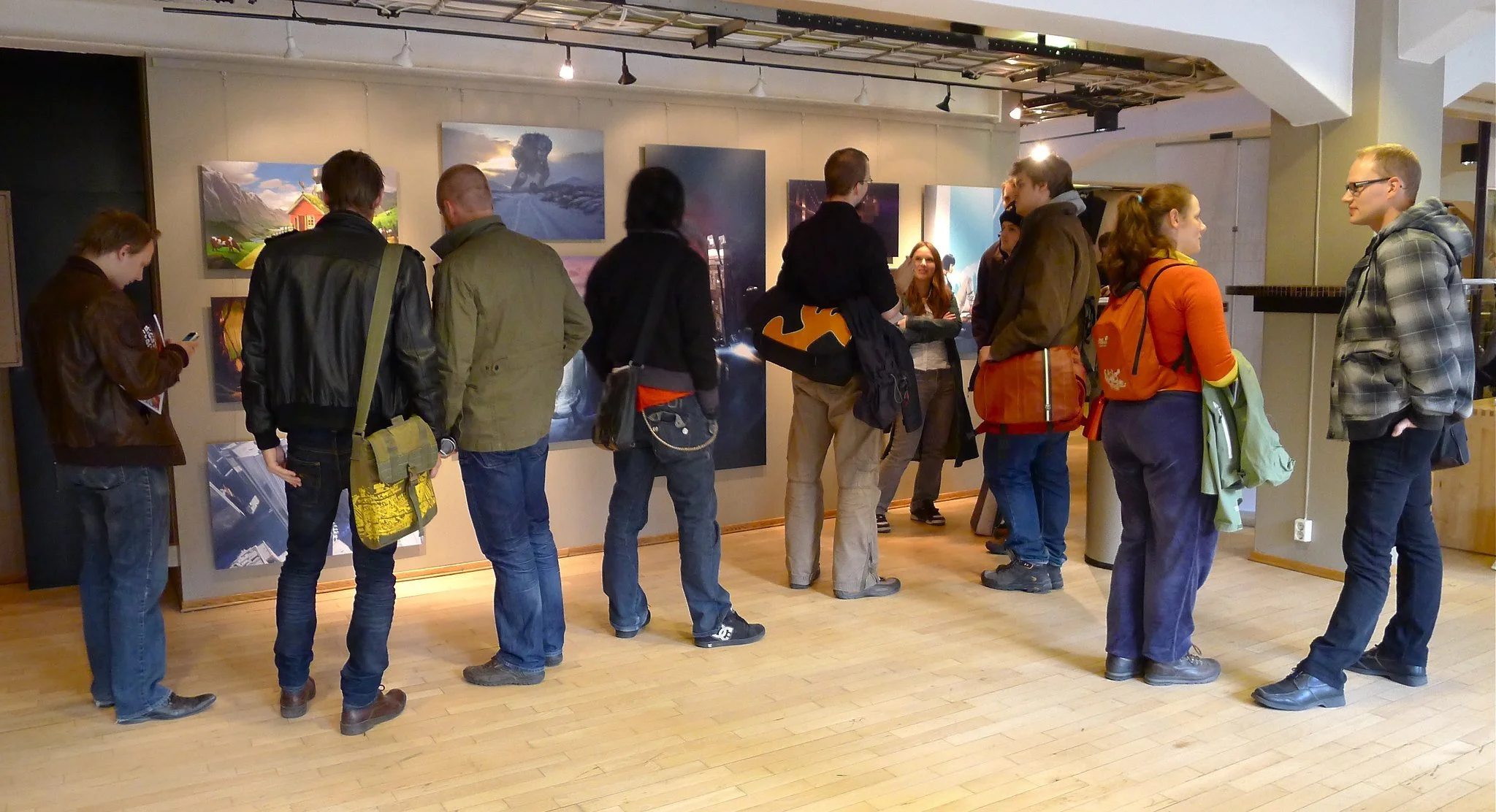
Digital Storytelling 2011 Concept Art exhibition. Photo: Oda Bhar
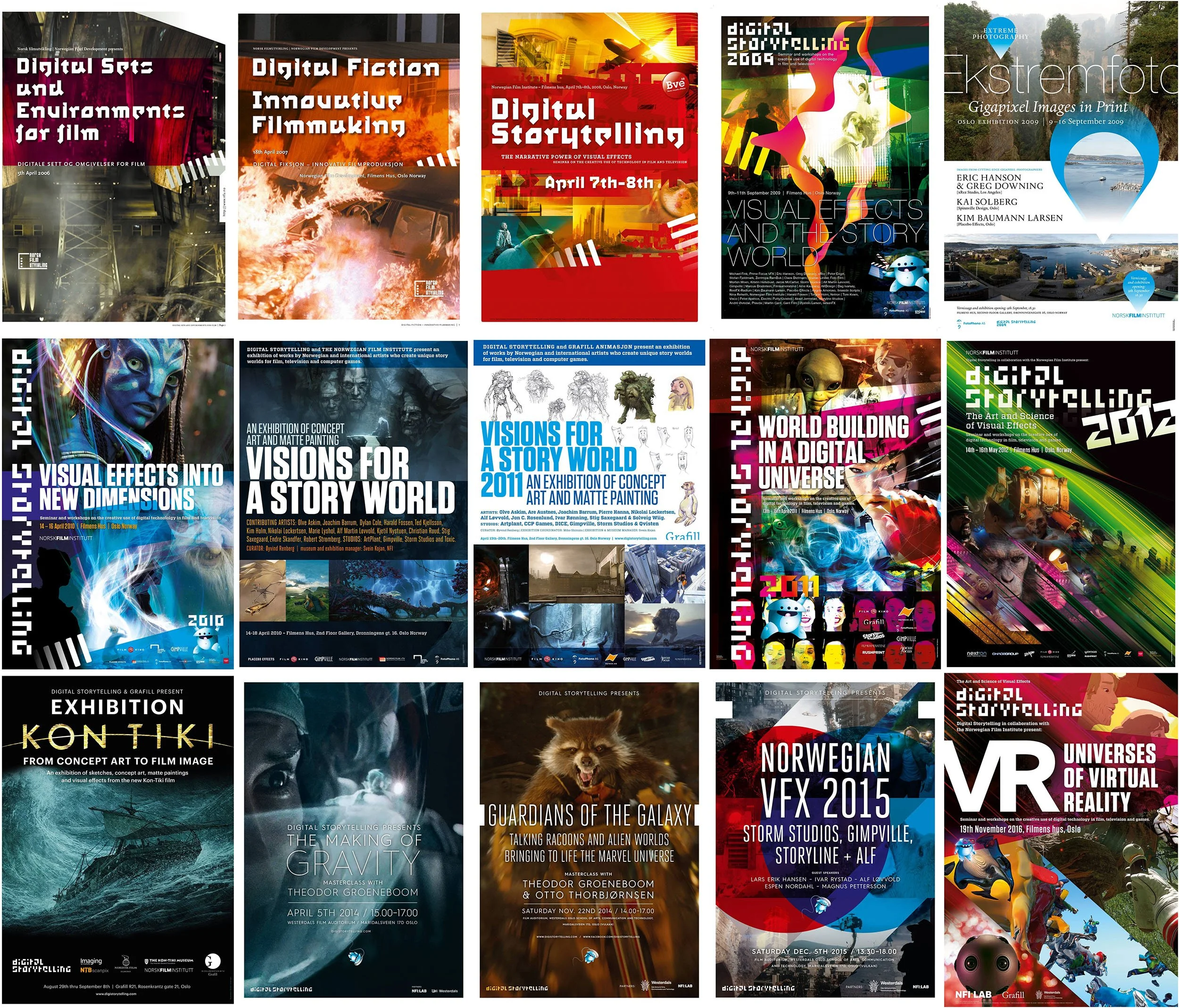
Eleven editions. Eleven years.
